Read more on the report here:
livingplanet.panda.org/en-GB/?utm_s...
 @wwf.org.uk
@wwf.org.uk
When we restore nature, nature restores us. 🌍
@wwf.org.ukRead more on the report here:
livingplanet.panda.org/en-GB/?utm_s...
@wwf.org.ukThe #LivingPlanetReport shows nature is under pressure.
But wildlife CAN recover, when given the chance.
🐅 Tiger numbers rose by over 70% between 2010 and 2025.
🦏 The black rhino population has almost tripled since the 1980s.
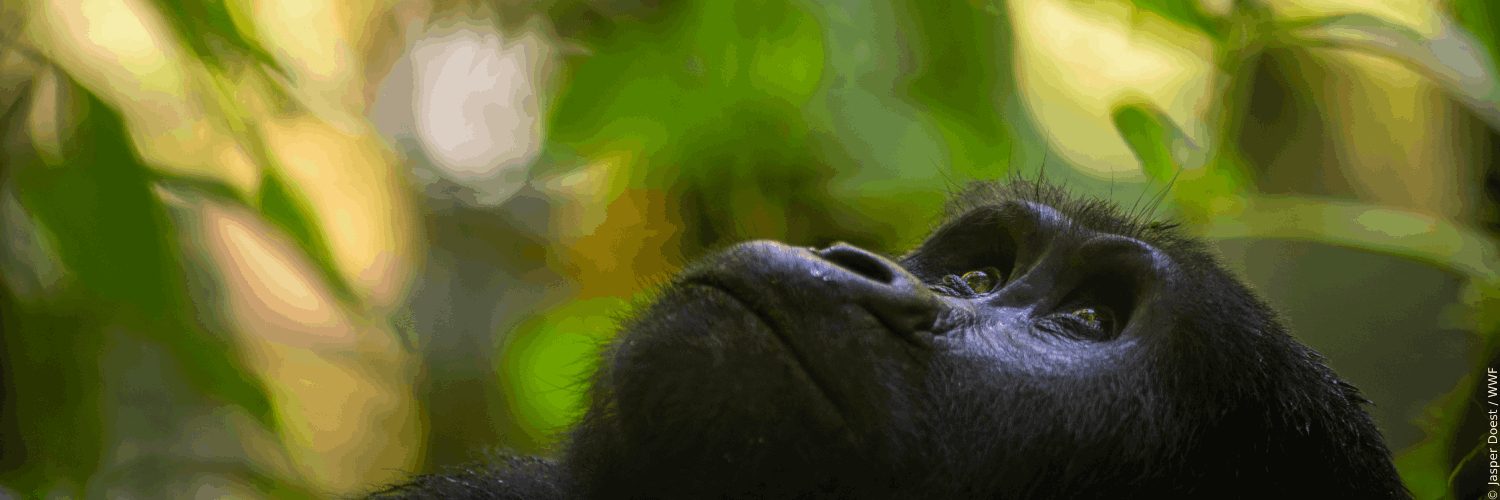
🦍 Mountain gorillas back from the brink, now over 1,000.


 @wwfscotland.bsky.socialReposted by @wwf.org.uk
The average size of monitored global vertebrate wildlife populations has declined by 73% since 1970. 🚨 But there’s hope - nature can recover. This summer, Restoration Forth grew oyster larvae, a positive step for oyster recovery! 🦪 Action matters. Together we can make a difference.
 @wwfcymru.bsky.socialReposted by @wwf.org.uk
NEWS: We're losing nature faster than ever before. But it’s not too late to change course.
The solutions exist. Now we need meaningful action from leaders to turn things around.
Red the full report: ow.ly/YYfl50ZVWeG
 @wwf.org.uk
ICYMI: it's not too late!
Things may not have been going well for the natural world, but the #LivingPlanetReport makes it clear what we need to do to help it recover. 🌍
 @clientearth.bsky.socialReposted by @wwf.org.uk
Wildlife populations have declined by an average of 73% since 1970. But this is not inevitable.
@wwf.org.uk new Living Planet Report shows that when action is taken, species can recover.
We need to put nature first 🌍💚
Read the report: brnw.ch/21x6gwH

 @helenpilcher.bsky.socialReposted by @wwf.org.uk
"Seemingly against the odds, we have a rational basis for hope." This is the conclusion of the new Living Planet Report, out today. A welcome change to the usual environmental doom and gloom.
My story for BBC #Wildlife mag 🧪
 @nhm-london.bsky.socialReposted by @wwf.org.uk
WWF’s Living Planet Report shows that monitored vertebrate populations have declined by 73% since 1970. 🌍 But there’s more to the story that museum collections can help unravel.

 @elliechowns.bsky.socialReposted by @wwf.org.uk
We’re losing nature faster than ever before. The Living Planet Report reveals the scale of the challenge facing our natural world, from the wildlife and habitats we love to the ecosystems that provide the food, water and climate stability we all depend on.
@wwf.org.ukThe good news is nature loss can be reveresed. 🌱
But for this to happen we need to see a change in the systems that are driving it. Food, energy and finance all have a critical role to play.
@wwf.org.ukThe tale of the bluefin tuna is just one story that shows how nature can make a comback. 🐟 We just need to give it a chance. 💚
@wwfscotland.bsky.socialReposted by @wwf.org.ukBreaking: we're losing nature faster than ever before. It’s a stark warning. But it’s not too late to change course. The solutions exist. Now we need meaningful action from leaders to turn things around.

 @ourworldindata.orgReposted by @wwf.org.uk
📝 New article on Our World in Data: A 73% average decline in wildlife populations: an overview of the 2026 Living Planet Index report. The 2026 Living Planet Index report is published today. As with previous additions, it can make for a depressing read.
 @wwf.org.uk
This makes it all the more important to call for and support action. We have the ability to make positive changes - we need to push for it to happen! 💚
@wwf.org.ukRead more on The Living Planet Report here 👇
livingplanet.panda.org/en-GB/?utm_s...
@wwf.org.ukBreaking: we're losing nature faster than ever before. But it’s not too late to change course. The solutions exist. Now we need meaningful action from leaders to turn things around.
 @wwf.org.uk
Thanks to the support of @postcodelotteryuk.bsky.social players, @wwf.org.uk is partnering with @naturescot.bsky.social, the @ukceh.bsky.social and the Scottish Government to understand and protect this vital local landscape.
@wwf.org.ukWe're delighted to be part of this exciting project! Saltmarshes do so much. They support wildlife - from migrating birds to natterjack toad - lock away carbon, and benefit coastal communities.🌿 Gathering new data is a key step in understanding these habitats so we can protect and champion them.
@wwf.org.ukThe finalists for the Nikon Comedy Wildlife Photography Awards have been announced. 🎉 Here’s a selection of the funniest photos of wildlife to brighten your day.


 @ukceh.bsky.socialReposted by @wwf.org.uk
Scotland's first saltmarsh flux tower has been installed - tracking carbon at the coast 💙
The new technology at Caerlaverock in the Solway Firth will help unlock the carbon storage benefits of Scotland's largest saltmarsh.
Read more: www.ceh.ac.uk/press/scotla...
🧪 1/ #BlueCarbon
