#Skinktober day 9
Haacke's legless skink (Typhlosaurus braini)
Is found only in the Namib Desert.
Lives in the dunes, “swimming” through the sand at night, eating termites and insect larvae.
#sci-art #herpetology #art #traditionalart
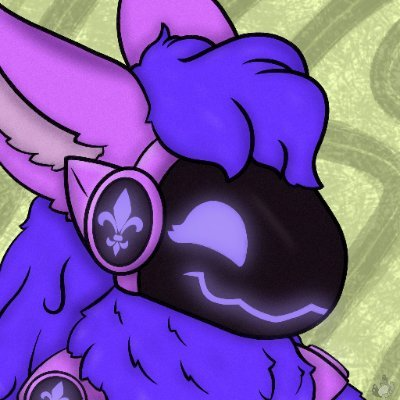
#Skinktober day 9
Haacke's legless skink (Typhlosaurus braini)
Is found only in the Namib Desert.
Lives in the dunes, “swimming” through the sand at night, eating termites and insect larvae.
#sci-art #herpetology #art #traditionalart
#Skinktober
Finished!
Red eyed crocodile skink, acrylic paint and pencil on black paper.
#Skinktober Day 8
Lerista bipes
Commonly known as sand swimmers or north-western sandslider
It lives in the arid and semi-arid regions of Australia.
It is primarily insectivorous and can eat a wide variety of small invertebrates found within its sandy environment.
#Skinktober day 7
Pilbara flame tailed slider
(Lerista flammicauda)
Endemic to the Pilbara region of Western Australia.
This peep inhabits primarily the leaf litter and humus accumulated alongside rocky watercourses, where it moves by "gliding" nimbly.
🦎Five-lined skink (Plestiodon fasciatus).
Max. size 215 mm (8.5").
May detach its tail as a decoy if threatened.
Found in the Central and Eastern US and in the Southeastern Canada.
Considered Least Concern by the IUCN.
📷by Joshua J Cotten on Unsplash
More progress!
#Skinktober
#Skinktober day 6
Two red-eyed crocodile skink (Tribolonotus gracilis).
This tiny dragon is insectivore is endemic to New Guinea and the Admirality Islands.
Grows to 20-25 cm (8-10") and lives for an average of 10 years! 😲
Sometimes people have them as pets, due his lifespan they need commitment.
#Skinktober day 5:
Coastal Dwarf Legless Skink (Acontias litoralis)
A cute little orange patootie!! 💖🥺 Size: 116 mm to 148 mm (4.6 to 5.8 inches)
Lives in loose, dry, sandy soils in coastal regions along the West Coast of South Africa.
Eats small Invertebrates and insects found underground.
#Skinktober day 4:
Yellow bellied, three toed skink.
Saiphos equalis.
Cool fact, they can give birth to live young or lay eggs! Generally, coastal populations lay eggs and mountain populations give live birth.
One of the most brilliant adaptations on lizards, who usually lay eggs.
#Skinktober
Work in progress, Red eyed crocodile skink. These are the cutest skinks, just like little pokemon! And they live in family groups ♥️
#Skinktober day 3
Siamese Supple Skink (Lygosoma siamensis)
Is a species found in Vietnam, Laos, Cambodia, Thailand, and Peninsular Malaysia.
Inhabits lowland forest areas, usually hidden in leaves beds.
Even if it has 4 legs, they aren't helpful for walking, so moves more like an snake.
#Skinktober Day 2
Five-lined skink
Plestiodon fasciatus
It's Ontario’s only native species of lizard, one of my favorite especies cos his pattern fascinates me 💖
A smooth, slender lizard that can grow 14 to 19 cm.
It can live in forests, meadows, beaches and sand dunes.
#art #traditionalart #ink
#Skinktober Day 2. Pink and Blue tongues
Inktober? I think there's a cooler drawing excersice😄
thanks to @ethankocak.com who created it
So this year I'm partaking on #Skinktober
Day 1: Eastern Pilbara spiny-tailed skink
Eats fruits, seeds, insects & other invertebrates.
Lives in grasslands and rocky arear in the north of Western Australia
#Skinktober with @ethankocak.com !
Blue tongue skink
(Pencil, markers, watercolor and posca pen on scrap paper)
🦎Eastern Pilbara spiny-tailed skink (Egernia epsisolus).
Max. size 14 cm (5.5").
Eats fruits, seeds, insects and other invertebrates.
Found in grasslands and rocky areas in Pilbara in the north of Western Australia.
Considered Least Concern by the IUCN.
📷by David Clode on Unsplash