The Wild Women of Sölden always knew what the best time for the harvest was.
#WyrdWednesday
https://wiki.sunkencastles.com/wiki/Wild_Maidens_in_S%C3%B6lden

 @juergen-hubert.mementomori.social.ap.brid.gy
The Wild Women of Sölden always knew what the best time for the harvest was.
#WyrdWednesday
https://wiki.sunkencastles.com/wiki/Wild_Maidens_in_S%C3%B6lden
 @crystalponti.bsky.social
In the Grimm tale The Turnip, a poor farmer grows a turnip so enormous he gives it to the king and is richly rewarded. His wealthy brother tries to win an even greater reward with lavish gifts. The king gives him the giant turnip. Harvest folklore can be petty. #WyrdWednesday

 @neukelte.hear-me.social.ap.brid.gy
#WyrdWednesday #Celtic: `Under such beautifully bright moonlight, we’ll inevitably get some weird and surreal fairies offering a helping hand with the harvest. We even have one of the lesser-known tales of the MacLeods and the fairy banner of Dunvegan Castle […]

 @ghirlandia.bsky.social
 @bevanthomas.bsky.social
In Welsh mythology, the immortal hunter Mabon was stolen from his mother Modron as a child. He is freed from prison by King Arthur and his warriors, as Mabon is the only man who can catch the dog Drudwyn (who in turn is the only dog who can track the monstrous boar Twrch Trwyth).
#WyrdWednesday

 @wyrdwednesday.bsky.social
Frau Gaur (bos gaurus) is absolutely #wyrdwednesday approved!
Go, Frau Gaur!

 @neu-kelte.bsky.social
#WyrdWednesday Wyrd Wednesday #Celtic: `Under such beautifully bright moonlight, we’ll inevitably get some weird and surreal fairies offering a helping hand with the harvest. We even have one of the lesser-known tales of the MacLeods and the fairy banner of Dunvegan Castle.
1/3
 @wyrdwednesday.bsky.social
Thank you wyrd Mothers @cwreeve.bsky.social and Sam for bringing in the #wyrdwednesday story harvest - now great pumpkin @wunderkammertales.eurosky.social has come to get more of your Mabon tales told!
Gather, Wyrdlings all!
@crystalponti.bsky.socialJohn Barleycorn personifies the barley crop in a traditional British folk ballad. He is buried, rises bearded from the earth, then is cut down, beaten, ground, and steeped in water. Finally his "blood" becomes beer or whisky, and John lives again. #WyrdWednesday
 @juergen-hubert.mementomori.social.ap.brid.gy
The Pschiponza appears during the noon hours at harvest time, and is a danger to laborers who work instead of resting.
#WyrdWednesday
https://wiki.sunkencastles.com/wiki/The_Pschiponza
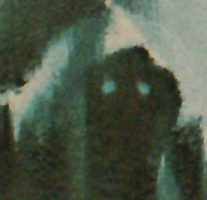 @theghostmonk.bsky.social
'Autumn' by Hugo Simberg, 1895.
#WyrdWednesday #weirdart #art

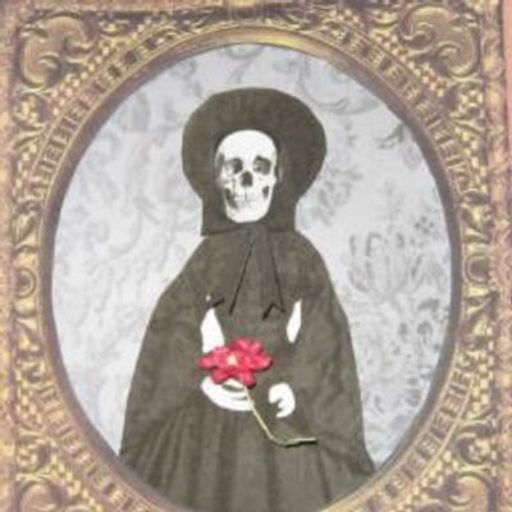 @chriswoodyard.bsky.social
#WyrdWednesday Harvest Home in Northumberland in 1901 The last corn that was gathered would be made into a human shape, dressed in fine clothes and crowned with flowers and called the ‘Kern Baby’ or ‘Harvest Queen.’
ayearinthecountry.co.uk/tales-from-t...

 @godysseypodcast.com
The Gaelic Cailleach accepts offerings of bread, often burnt, varying by region and time of year. In autumn, near Samhain, she accepts this gift for her time of year has begun. #WyrdWednesday
 @godysseypodcast.com
The ancient Greeks had little agreement over the centuries regarding how to portray the seasons as gods. The most common depiction of autumn was fruitful Karpo, one of the original Horae. A goddess of harvest and ripening food, she attended to Persephone. #WyrdWednesday
 @godysseypodcast.com
In Daoist astrology, autumn is the time of the White Tiger of the West and the element of metal. It represents a movement inward, a time to reflect, to grieve, and to celebrate the good things life brings, in preparation for the harsh truths of winter. #WyrdWednesday
 @godysseypodcast.com
Mabon, a modern neopagan name for the autumn equinox, derives its name from Mabon ap Modron, himself derived from the pan-Celtic Maponos, the Great Son. Mabon is the second of the main autumn harvest festivals, after Lunasa and preceding Samhain. #WyrdWednesday

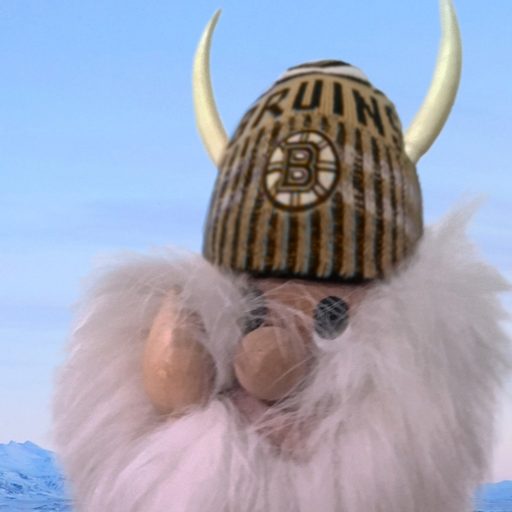 @rgeirsson.bsky.social
Odin once hosted the 9 Worlds’ best ever pumpkin festival at the height of Asgard’s harvest season. Everyone who attended had a blast, and the event itself would have definitely set a new Guinness World Record if someone from the organization had actually been in attendance. #wyrdwednesday
1/3
 @neu-kelte.bsky.social
#WyrdWednesday #Celtic: `The harvest festival is called in Manx yn mheillea, or yn meailley, 'the harvest home,' "though," says Gill, "more strictly it is the name of the garland made of the last handful of corn which is shorn and formed into the shape of that which is borne by Ceres. This
1/2
@crystalponti.bsky.socialThe terrifying Roggenmuhme, or Rye Aunt, haunted German grain-field folklore. Descriptions varied, but she could punish children who entered the rye and was sometimes given grotesque features. "Stay out of the crops" becomes much more effective with a monster attached. #WyrdWednesday
