GBE publishes leading original research at the interface between evolutionary biology and genomics.
🏠 @official-smbe.bsky.social
🤝 @molbioevol.bsky.social
#genome #evolution #science #biology #societyjournal


@genomebiolevol.bsky.social
GBE publishes leading original research at the interface between evolutionary biology and genomics.
🏠 @official-smbe.bsky.social
🤝 @molbioevol.bsky.social
#genome #evolution #science #biology #societyjournal
@genomebiolevol.bsky.social@csengepetak.bsky.social @jcbnunez.bsky.social et al. provide the first evidence for regions of low recombination in the purple sea urchin genome, several of which display genomic signatures of structural variants.
@genomebiolevol.bsky.socialTian & Meyer report alternatively spliced genes with functions related to microtubule organization and neural development, and several genes showing isoform usage strongly associated with behavioral laterality.
🔗 academic.oup.com/gbe/article/...
🖌️ Weiwei Li
 @susaki-lab.bsky.socialReposted by @genomebiolevol.bsky.social
Thank you for introducing our hydra study!
@genomebiolevol.bsky.socialNojiri, @susaki-lab.bsky.social et al. compared the genomes of the immortal Hydra vulgaris and the aging Hydra oligactis. Results suggest that extended lifespan may reflect differences in how core biological processes are organized.
 @genomebiolevol.bsky.social
Yerka et al. assembled the first Johnsongrass genome, revealing an evolutionary history of genome instability, including the loss of distinct parental subgenomes.
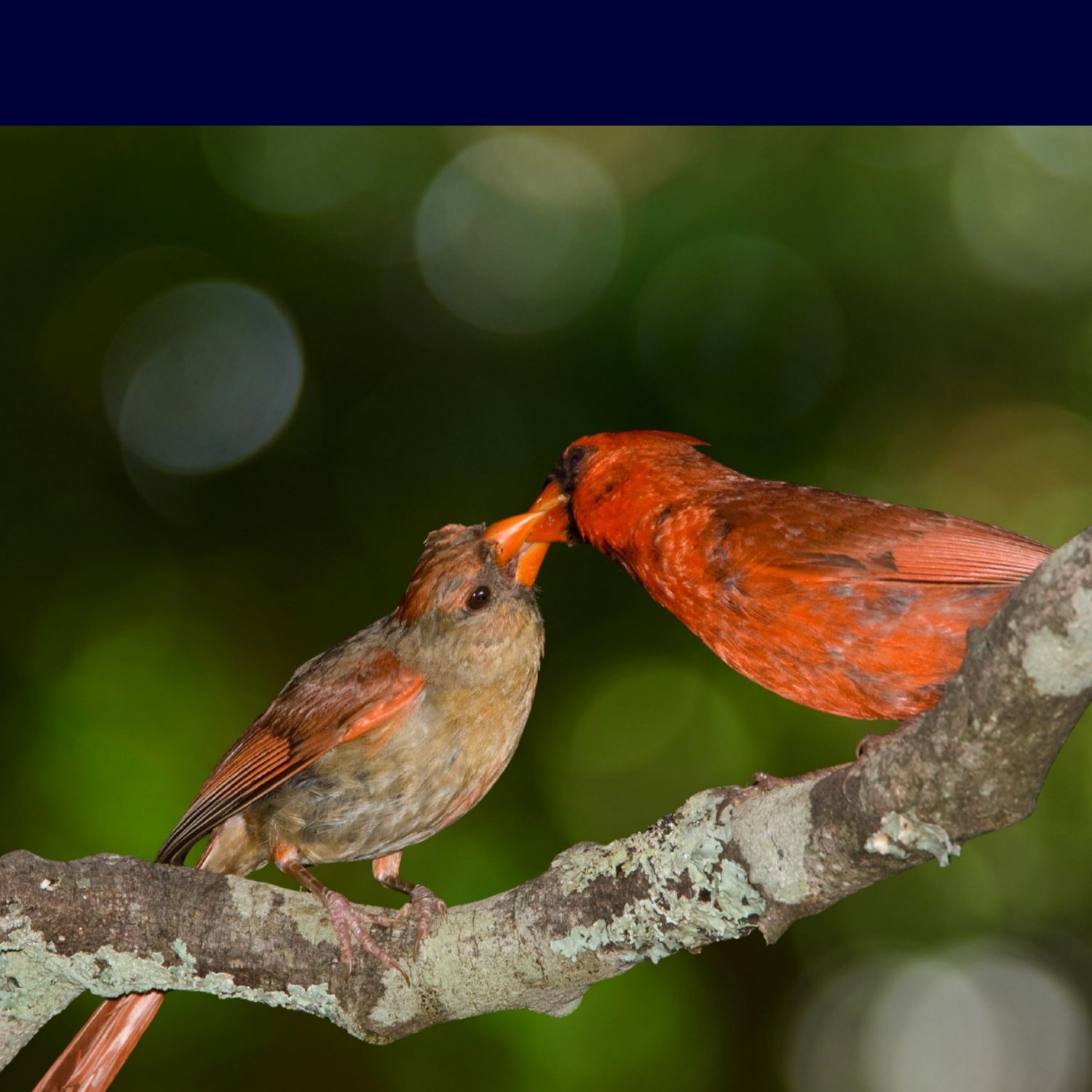
@genomebiolevol.bsky.socialThis article is the focus of our October Highlight and leads our newest Virtual Collection on the Evolution of Sociality.
E Pluribus Unum: GBE Virtual Collection on the Evolution of Sociality
🔗 academic.oup.com/gbe/article/...
@genomebiolevol.bsky.socialSociality has evolved repeatedly across the tree of life. @meganbarkdull.bsky.social & @corriemoreau.bsky.social review how insect sociality both arises from and influences genome evolution.
🔗 academic.oup.com/gbe/article/...
📷 Philipp Hoenle
 @genomebiolevol.bsky.social
We love this Review! Thank you, Megan and Corrie, for preparing this and publishing it in GBE!
 @meganbarkdull.bsky.socialReposted by @genomebiolevol.bsky.social
I’m really happy to share that my invited review on social insect genome evolution, co-authored with @corriemoreau.bsky.social, is out now in @genomebiolevol.bsky.social 🐝🐜
This is the paper I wish I’d had when studying for quals in grad school, and was a ton of fun to write.
 @meganbarkdull.bsky.socialReposted by @genomebiolevol.bsky.social
Thanks to @genomebiolevol.bsky.social for highlighting our piece by featuring it on the October cover, and huge thanks to Phil Hoenle (@myrmecophip on iNat) for the gorgeous image that we chose.
 @genomebiolevol.bsky.social
The October 2026 issue of GBE is now live - new articles, methods, and genome reports will be published throughout the month, so visit our website regularly.
 @genomebiolevol.bsky.social
The southern corn rootworm is a leaf beetle native to N. America that infests >50 crops. Coates et al. generated a chromosome-level reference assembly for a male, including the first assembled supernumerary B chromosome for a rootworm.
@genomebiolevol.bsky.social@michid73.bsky.social et al. show that Norwegian kveik forms a distinct and early branch among European brewing yeasts, originating from ancestral populations 4,000 to 8,000 years ago.
 @michid73.bsky.socialReposted by @genomebiolevol.bsky.social
Farmhouse brewers in western Norway have kept a living yeast #kveik in the house for centuries.
New paper: Kveik is an early-branching lineage found nowhere else; reported Asian admixture is likely a statistical artefact.
@elixirnorway.bsky.social @cbubergen.bsky.social
doi.org/10.1093/gbe/...
@genomebiolevol.bsky.socialDiepeveen, Bellés & @mikkelschierup.bsky.social analysed T2T primate genomes to show that several X chr. gene families evolve under strong positive selection, whereas Y chr. families predominantly show purifying selection.
 @ellenleffler.bsky.socialReposted by @genomebiolevol.bsky.social
Led by @helenahopson.bsky.social, with ERC doyen @nclark.bsky.social and labwork in collab with @sigalalab.bsky.social, we are happy to release an Evolutionary Rate Covariation (ERC) resource for Plasmodium, published in @genomebiolevol.bsky.social. academic.oup.com/gbe/article/...
@genomebiolevol.bsky.socialLaizé, @joao-pedro-marques.bsky.social @gubrins.bsky.social et al. tested whether nuclear oxidative phosphorylation genes preferentially co-introgress with mitochondrial DNA, allowing for the mitigation of incompatibilities.
@genomebiolevol.bsky.socialEcheverry-Pérez et al. show that tick endosymbionts form a sister group to opportunistic lineages, consistent with repeated host shifts during their evolutionary history.
@genomebiolevol.bsky.socialEsdras Tuyishimire, Molly K Burke & Elizabeth G King develop a theoretical model defining the conditions under which recurrent, strong oscillations in allele frequencies are predicted to occur because of fluctuating selection.
@genomebiolevol.bsky.social@alexrepgh.bsky.social et al. identify SNP associated with genes involved in physiological processes such as ion regulation in gills and fatty acid metabolism in the brain during freshwater adaptation by oceanic sticklebacks.