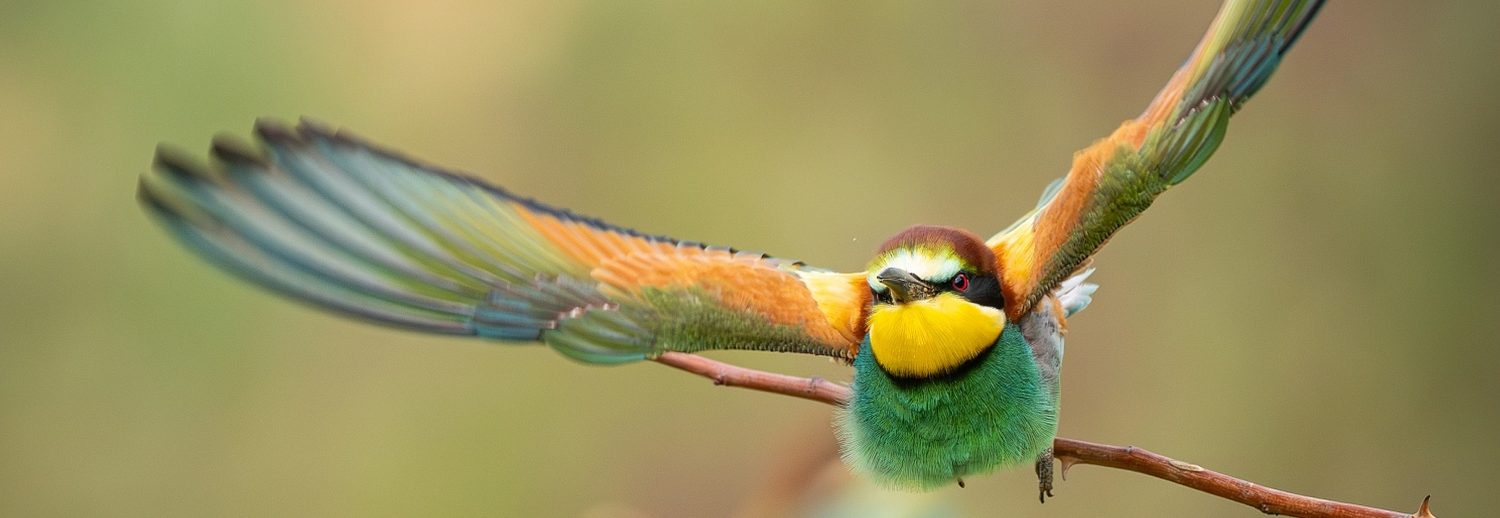
The autumnal migration is a great opportunity to take part in the scientific research; raise your eyes to the sky and be part of it!
Here to read the full article on the impact of citizen science on conservation: www.birdlife.org/news/2026/10...

@birdlifeeurope.bsky.social
When birds thrive, nature thrives, and so do we. We take the pulse of the planet through birds; protecting their habitats & global biodiversity. BirdLife is the largest nature conservation partnership in the world.
@birdlifeeurope.bsky.socialThe autumnal migration is a great opportunity to take part in the scientific research; raise your eyes to the sky and be part of it!
Here to read the full article on the impact of citizen science on conservation: www.birdlife.org/news/2026/10...

 @birdlifeeurope.bsky.social
Citizen science is a huge help in conservation. Non-professional volunteers can collect so much data on their birdwatching walks. This amount of information allows scientists to identify bird population sizes, migration routes and any other threats.

 @birdlifeeurope.bsky.social
Do you know that much of the information we have today about migration routes, come from birdwatchers sightings?

 @birdlifeeurope.bsky.social
Happy World Migratory Bird Day! Today we celebrate migratory birds, and their amazing travels all around the globe.
 @birdlifeeurope.bsky.social
Read our full press release here: www.birdlife.org/news/2026/10...
@birdlifeeurope.bsky.socialThanks to this restriction, 135 million birds at risk of poisoning and 1 million children at risk of exposure in the EU will be protected. This is a huge step towards a pollution-free Europe. Now, European countries must make sure the restriction is properly implemented.
@birdlifeeurope.bsky.socialScientists have known for more than 30 years that lead is highly toxic to wildlife and people, and there is no safe level of exposure. Yet, more than 44.000 tonnes of lead are still scattered across the EU every year through hunting, sport shooting and fishing.
@birdlifeeurope.bsky.socialOnce in force, this restriction will ban lead gunshot everywhere, including outside of wetlands and in sport shooting, with a seven-year transition period. It will be applied across the EU, the European Economic Area, and Northern Ireland.
@birdlifeeurope.bsky.socialWE WON. Lead in gunshot will finally be banned across the EU! Just now, the European Parliament approved in plenary the Commission's proposal to restrict lead in gunshot. This decision ends years of debate on one of Europe's most persistent forms of lead pollution.
 @birdlifeeurope.bsky.social
Marion Bessol, Nature Conservation Policy Officer says “Fiocchi’s objection is an attempt to block a balanced restriction with proven benefits for health, wildlife and the environment. [...] We call on MEPs to seize this opportunity to protect people and nature.”
@birdlifeeurope.bsky.socialIn his objection, Mr. Fiocchi downplays the health risks of lead gunshot, and claims that sustainable alternatives are not safe or effective. These arguments have been repeatedly debunked by science and addressed by experts throughout the extensive REACH process.
@birdlifeeurope.bsky.socialLead is an extremely toxic substance which has no safe level of exposure. It creates unacceptable risks for wildlife, the environment, and in particular for children. The proposal takes into account socio-economic impacts, and addresses a wide range of stakeholder concerns.
@birdlifeeurope.bsky.socialA once in a generation opportunity to restrict lead in gunshot is on the table. While the Commission’s proposal to restrict lead in gunshot is approaching the end of its scrutiny period in the European Parliament, MEP Pietro Fiocchi has tabled a new objection.
 @birdlifeeurope.bsky.social
She continues, "Member States want to let dangerous pesticides stay on our fields & in our food for longer, despite warnings. This is negligence, and people and nature will pay for it.”
 @birdlifeeurope.bsky.social
Marilda Dhaskali, Senior Agriculture Policy Officer, says, "EU law means that if there's a risk to health or nature, you act before the harm is done; you don't wait for damage. Today's agreement throws that out."
@birdlifeeurope.bsky.socialEvidence on pesticides harming nature and human health keeps growing. Scientists & doctors have been warning governments directly about this proposal. And yet, policymakers are going against all the evidence to appease the interests of pesticide manufacturers.
@birdlifeeurope.bsky.socialRight now, pesticides get reassessed regularly. Regulators catch new evidence of harm and act. The Commission proposed moving away from that. Fewer regular checks mean fewer chances to catch pesticides that are dangerous, & looser rules on "grace periods" mean unsafe pesticides can be used longer.
@birdlifeeurope.bsky.social🚨BREAKING: Pesticides could now stay with us forever! Today, the Council agreed on its position on new EU rules for pesticides as part of the Food and Feed Safety omnibus. Some pesticides could stay on the market despite harming nature and our health.
@birdlifeeurope.bsky.socialMeet the smallest seabird in Europe: the European-Storm Petrel. Swipe to find out more about this amazing species!
@birdlifeeurope.bsky.social📍Cambridge, UK (hybrid)
⌚ 35 hours per week
📜 Contract: 1-year fixed-term contract with possibility for extension
💸Salary: £45,000 - £47,000/year + competitive 12% pension benefit
𝗔𝗽𝗽𝗹𝗶𝗰𝗮𝘁𝗶𝗼𝗻 𝗱𝗲𝗮𝗱𝗹𝗶𝗻𝗲: Thursday, 8 October 2026 – 09:00 BST