
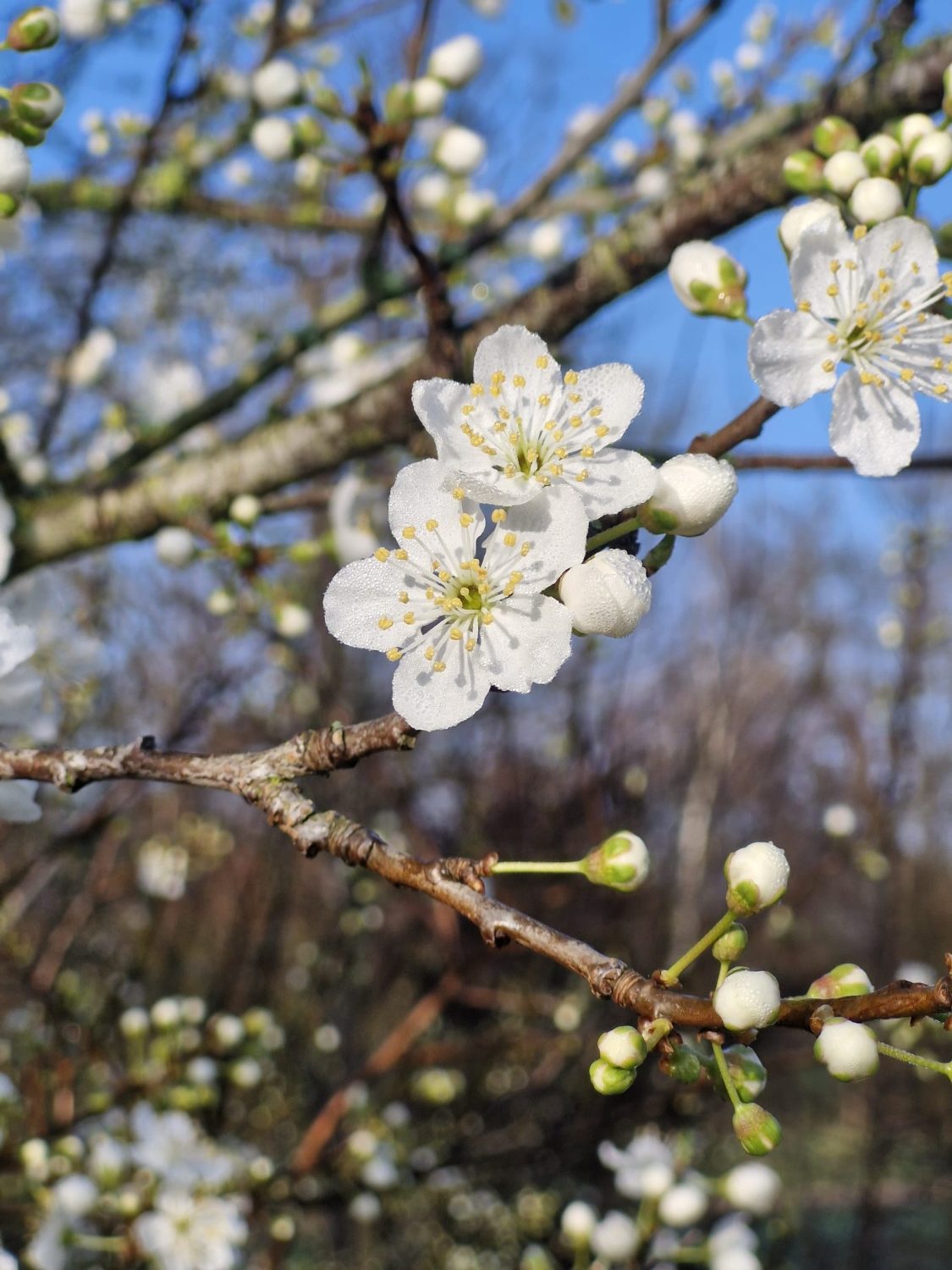
Nuts will produce a radicle, which is known as the first root. This can be encouraged by keeping the seeds in a bucket of leaf mould and turning them gently so they don't rot. Once you see the radicle start to sprout, you can then plant the seed!
That's why we're supporting #GIBWeek26 and recognising the vital work of organisations such as Grown in Britain, whose commitment to certification and plant health helps protect our trees and woodlands.
Did you know that this week is Grown in Britain Week! Community Tree Nurseries are helping to grow resilient, healthy trees for the future.
@ldn-environment.bsky.social
Young Tree Champions: London Living Labs is now open for applications until November 1. Please visit buff.ly/bZQAI9z to find out more and submit your application.
This project is funded by the Mayor of London. #GreenRoots
After a summer of record-breaking heat, schools across London can now apply for Young Tree Champions: London's Living Labs, a free, nature-based, outdoor learning programme from The Tree Council and the Mayor of London’s Green Roots Fund, aiming to combat the effects of a rapidly changing climate.
Who else has noticed this happening? Let us know where you are in the country and what tree species.
Several members of the public have emailed us to report seeing some trees flowering in autumn. Our Director of Trees, Science and Research, Jon, has also noted that crab apples are blooming during this time of year.
🌰🐿️ It’s Red Squirrel Awareness Week! Did you know red squirrels depend on our native trees — like Scots pine, oak, and hazel — for food and shelter? 🌲🌿
By protecting and planting the right trees, we’re not just growing trees… we’re giving red squirrels a future. 💚
Hands up if you love tree seed gathering! ✋️
Wow, what a beautiful photo taken by our Growing Together Programme Manager, Katie!
This truly captures the whimsicalness of a woodland.
After our Seed Gathering Season Masterclass last week, we asked Jon, our Director of Science, Research and Trees, to get creative with his tree seed display.
Please do send us your creative seed gathering displays! #SeedGatheringSeason
Want to learn how to identify trees and grow your own from seed? Our handy Tree Grower’s Guide has everything you need to get started.
Head over to our website to find out more! >> buff.ly/dFgxSNA
Pictured are oak trees grown by our Growing Together Programme Manager, Katie and Midland hawthorn trees grown by our Community Planting Projects Senior Manager, Adam!
Hands up who has grown trees from seed! ✋️ This Seed Gathering Season, we would love to hear from those who have successfully grown their own trees from seed. Please share in the comments what types of trees you've grown and your location in the country. Don’t forget to send us pictures!
Head over to our website to find out more! >> buff.ly/yDWVLIf
What is Seed Gathering Season and what does it involve? Seed Gathering Season is a wonderful opportunity for us all to come together and gather seed from local trees and nurture them to become young saplings, which can be planted locally to benefit future generations.
Today's #FungiFriday feature is the shaggy parasol spotted by our National Tree Warden Scheme Coordinator, Sam.
Shaggy parasols often grow in "fairy rings" and, in European folklore, these mysterious circles were said to be where fairies, pixies and elves danced.
As the days grow shorter and temperatures begin to drop, trees become even more important for wildlife. These five fantastic trees are just some of the autumn favourites for nature. #SeedGatheringSeason
Organisations in England looking for 500 to 50,000 trees can now apply for free trees. Get your applications in early, as stock will be allocated on a rolling basis as applications are approved.
Find out more at buff.ly/gSNNHuE
